Extend the Life of Your Stained Concrete: It's All About Protection
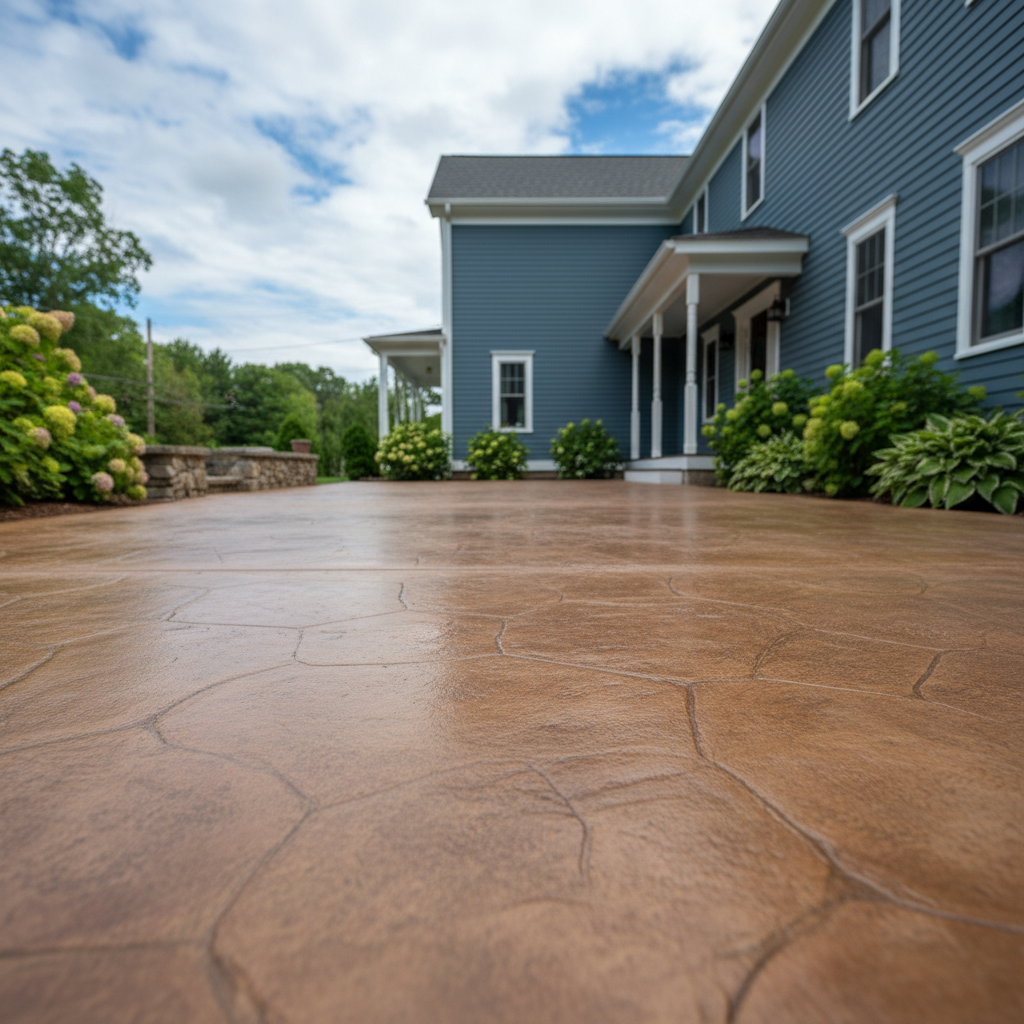
So, you've got some gorgeous stained concrete, maybe it's your patio out back, a walkway, or even an interior floor. It looks fantastic, right? That rich color and unique finish really make a difference. But here's the thing: it's not a set-it-and-forget-it deal, especially here in Rhode Island with our crazy weather. You want that beauty to last, and extending its life mostly comes down to good protection.
The biggest factor? Sealing. If your concrete was stained, it should have been sealed properly right after. That sealer is the armor protecting the color from UV rays, moisture, and general wear and tear. Over time, that sealer wears down. For exterior surfaces, especially ones exposed to our harsh winters – all that snow, ice, salt, and freeze-thaw cycles – you're probably looking at resealing every 1-3 years. Interior floors might go longer, maybe 3-5 years, depending on traffic. Think about your kitchen floor versus a guest bathroom; they'll need different attention.
Another big one is mats and rugs. For high-traffic areas, especially indoors, a good rug can save your finish. Outside, if you've got heavy furniture, put some pads under the legs. Anything that can drag or scratch will eventually compromise that sealer, and once that's gone, the stain itself is vulnerable.
Regular Maintenance: Simple Steps for Lasting Beauty
Maintaining stained concrete isn't rocket science, but consistency pays off. For interior floors, regular sweeping and damp mopping with a pH-neutral cleaner is usually all you need. Stay away from harsh chemicals, bleach, or abrasive cleaners – they'll strip that sealer faster than you can say 'winter storm warning'. I've seen folks ruin a perfectly good floor because they used the wrong stuff. Just warm water and a mild soap, or a cleaner specifically designed for sealed concrete, will do the trick.
For exterior surfaces, a good rinse with a garden hose and a soft brush is often enough. If you've got stubborn dirt or mildew, a pressure washer on a *very* low setting can work, but you need to be careful. Too much pressure can etch the surface or blast away the sealer. I'd recommend testing it in an inconspicuous spot first, or just sticking to the hose and brush. We get a lot of moss and algae growth in shady, damp spots around Providence, especially in areas like the East Side where homes are close together and light can be limited. A gentle scrub with a mild solution of water and white vinegar can help with that.
Spills? Clean them up quickly. Especially anything acidic like wine, vinegar, or harsh chemicals. The longer they sit, the more likely they are to etch through the sealer and affect the stain underneath.
Warning Signs: When Your Concrete is Crying for Help
You don't need a degree in concrete to spot problems. Your stained concrete will tell you when it needs attention. Here are some common warning signs:
- Dullness or Fading: If the color isn't as vibrant as it used to be, or it looks patchy, that's a classic sign the sealer is wearing thin and the stain is starting to get exposed to UV light.
- Water Penetration: Pour a little water on the surface. If it beads up, your sealer is still doing its job. If it soaks in and darkens the concrete, that sealer is gone, and you're vulnerable to moisture damage, especially with our freeze-thaw cycles here in New England.
- Scratches or Abrasion: You might see light scratches or scuff marks. If they're just on the surface, a new coat of sealer might hide them and protect against further damage. Deeper scratches mean the sealer has been breached.
- Peeling or Flaking: This usually indicates a sealer that wasn't applied correctly, or it's just completely failed. It's less common with good quality sealers but can happen.
- Powdery Residue: Sometimes, if a sealer is breaking down, you might notice a fine white or dusty residue, especially on exterior surfaces.
When to Call a Professional
Look, you can handle a lot of this maintenance yourself. But there are times when it's just smarter to call in the pros. If you're seeing widespread fading, significant water penetration, or if the surface is starting to look really worn and uneven, it's probably time for a professional assessment. Sometimes a simple reseal isn't enough, and the surface might need a good cleaning, etching, or even a light grind before a new sealer goes down.
If you're unsure about what type of sealer to use, or how to prep the surface properly, give us a call. Getting it wrong can sometimes make things worse. At Precision Concrete Providence, we've got years of experience with stained concrete, and we can tell you exactly what your surface needs to look its best and last for years to come. Don't wait until the damage is severe; a little proactive care goes a long way.